How Hotel Renovations Work: A Guide for Property Owners in Connecticut
At Hartford Building Company, we have worked with Connecticut hotel owners and property managers on hotel construction and renovation projects of every size. Our team has handled guest room refreshes, full lobby rebuilds, restaurant and bar updates, and major mechanical upgrades, all while keeping the doors open and guests checked in. This guide pulls from that hands-on experience so you know what to expect, what to plan for, and what mistakes to avoid before you start your next project.
If you only have a minute, here is the quick version. A hotel renovation usually moves through six steps: assessment, design, permitting, procurement, construction, and closeout. Most full renovations take six months to a year or more, depending on the size of the property and how much of the hotel stays open during construction. Costs depend on scope, finish quality, and whether you renovate occupied or vacant. With smart planning and the right contractor, you can update your property without losing bookings or hurting the guest experience.
Why Hotels Renovate and What Property Owners Should Know
Hotels do not stay competitive by sitting still. Guest expectations change, brand standards update, and buildings wear down. A well-timed renovation keeps your property booked, your reviews strong, and your asset value rising.
Common Reasons for Hotel Renovations
Most hotel renovations start for one of a few clear reasons. Some are required by the brand. Others are driven by guest feedback or market pressure. The most common triggers we see in Connecticut include:
- Brand-mandated property improvement plans (PIPs)
- Outdated guest rooms hurting online reviews
- Aging mechanical systems driving up energy bills
- New ownership wanting to reposition the property
- Competition from newer hotels in the same market
- Visible wear and tear in high-traffic public spaces
- Franchise or brand renewal deadlines approaching
The Risks of Delaying Necessary Upgrades
Putting off a renovation often costs more than doing it. The risks add up quickly:
- Guest scores and online review ratings drop
- Bookings and ADR slide as guests choose newer properties
- Older systems break down more often, raising repair bills
- Brand-affiliated hotels risk losing their flag at PIP deadlines
- Emergency repairs cost far more than planned upgrades
- Falling behind newer competitors gets harder to recover from
A planned renovation is almost always cheaper than reacting to emergencies one at a time.
Understanding the Scope of a Hotel Renovation Project
Hotel renovations come in many sizes. Some are simple cosmetic refreshes. Others are full gut jobs that touch every system in the building. Knowing your scope early helps you budget, schedule, and pick the right contractor.
Guest Rooms and Suites
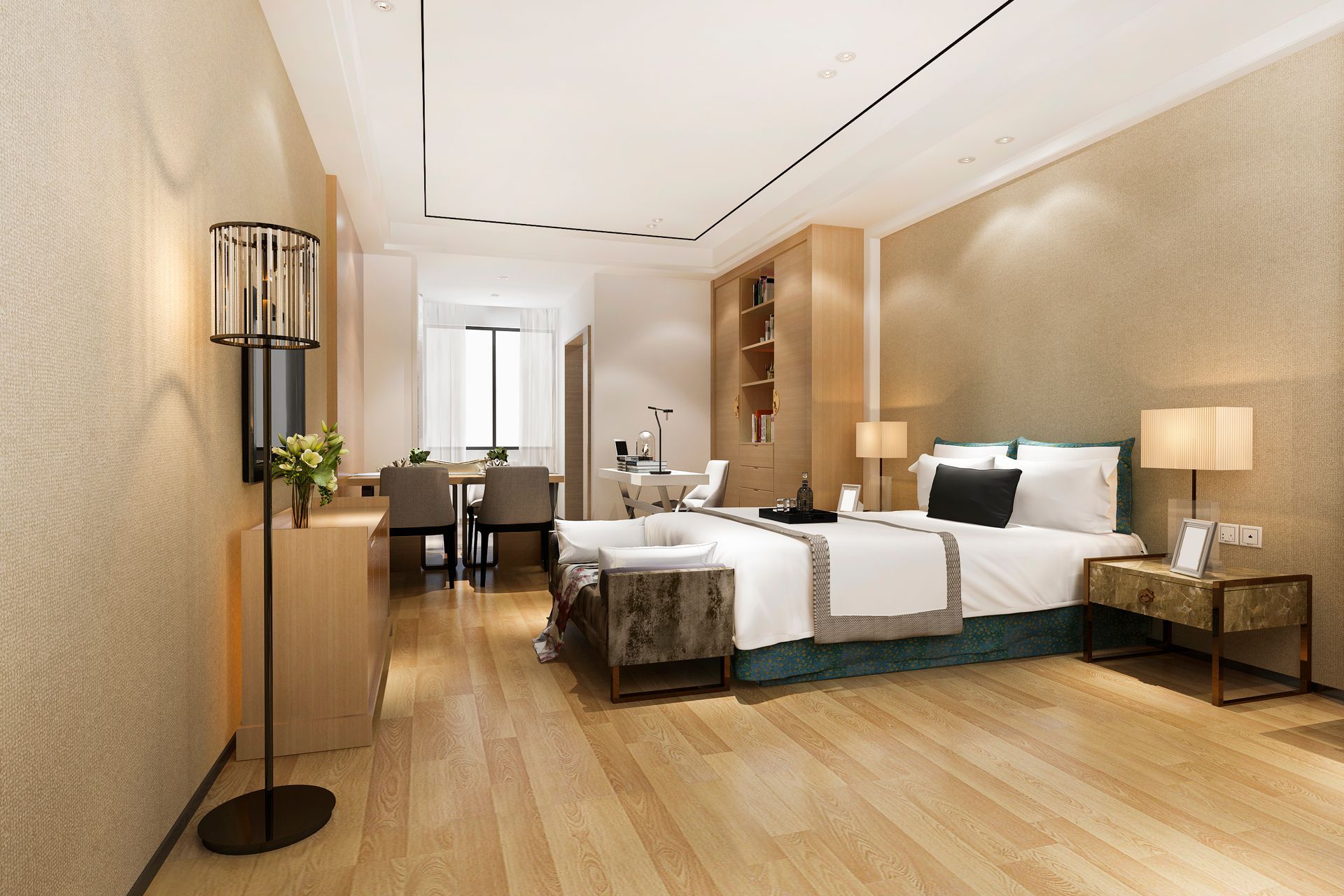
Guest rooms are the heart of the property and the most common renovation focus. Updates often include new flooring, paint, lighting, bathrooms, casegoods, soft goods, and smart room technology. Even small upgrades, like new lighting and bedding, can lift guest scores quickly.
Lobbies, Common Areas, and Amenities
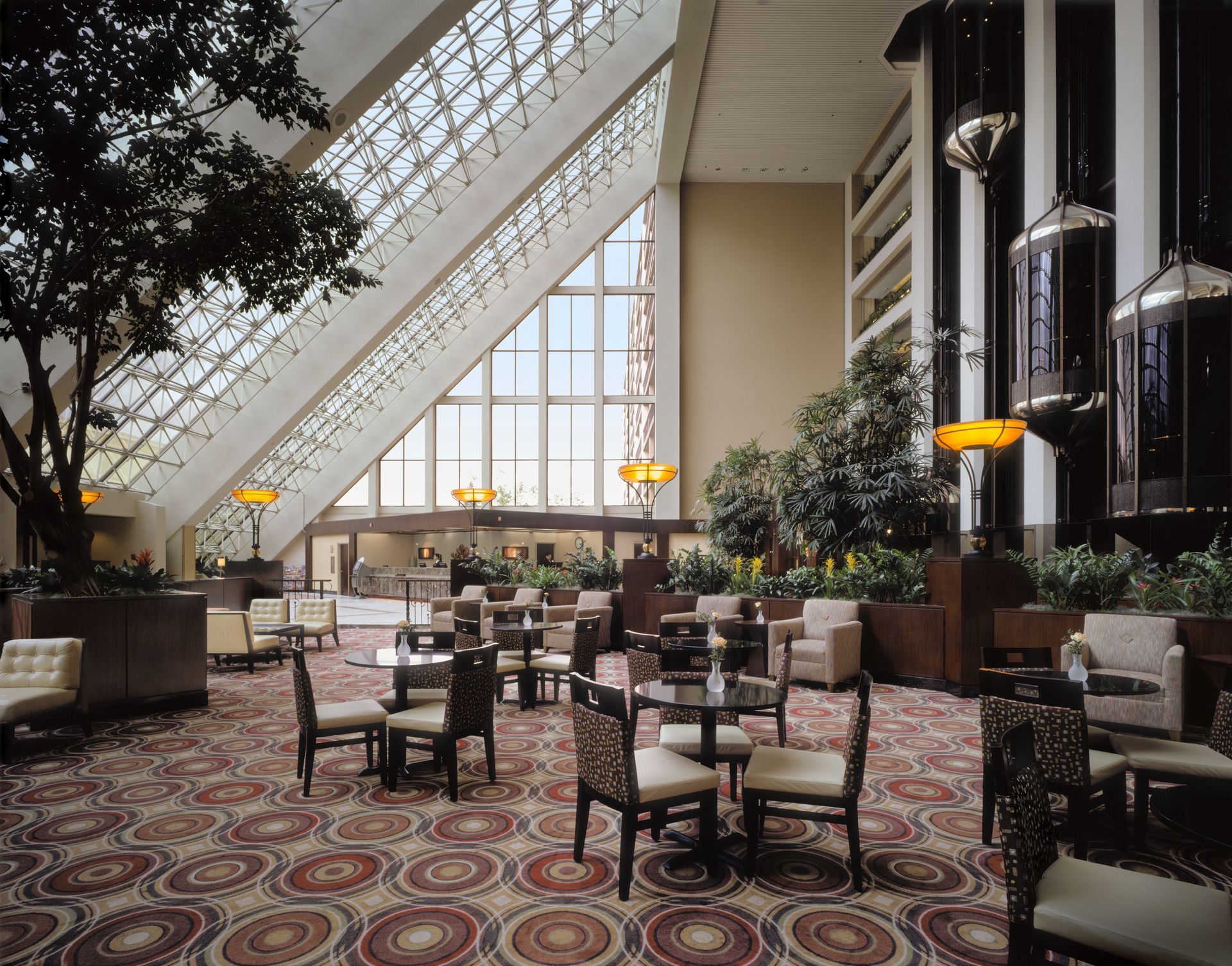
The lobby sets the tone for the entire stay. Renovations here often include front desk redesigns, new flooring, modern lighting, lounge seating, and updated branding. Fitness centers, business centers, pools, and outdoor spaces are also high-value upgrade areas.
Restaurants, Bars, and Event Spaces
Food and beverage spaces drive serious revenue, and dated decor cuts into that. Renovations may include kitchen upgrades, bar rebuilds, new dining layouts, and refreshed banquet rooms. Many properties also add flexible event space that works for both business and social bookings.
Building Systems and Infrastructure Upgrades
The systems behind the walls matter just as much as the finishes. HVAC, plumbing, electrical, fire safety, and life safety systems all need updates over time. Modern building automation, energy-efficient lighting, and new water systems lower operating costs and improve guest comfort.
Planning a Successful Hotel Renovation in Connecticut
The success of a hotel renovation is decided before the first wall comes down. Planning is where smart owners separate themselves from the rest.
Defining Project Goals and Priorities
Start by asking what you actually want this project to do. Are you trying to lift guest scores? Meet a brand standard? Reposition the property to a higher class? Lower operating costs? Different goals lead to very different scopes, so being clear up front protects your budget.
Creating a Realistic Budget
A real hotel renovation budget covers more than construction. It also needs to include design fees, permits, FF&E (furniture, fixtures, and equipment), technology, contingency, and lost revenue from rooms taken out of service. A 10 to 15 percent contingency is standard for hotel work because surprises behind walls and ceilings are common in older buildings.
Establishing a Renovation Timeline
The planning window usually needs to start three to six months before construction begins. That lead time covers design, permitting, and procurement of long-lead items. Once construction starts, full-service renovations typically run six to twelve months, while larger multi-phase projects can stretch longer.
Accounting for Seasonal Occupancy and Revenue Cycles
Connecticut hotels see seasonal swings in occupancy. Most owners schedule the heaviest construction during slower months so they protect peak-season revenue. Mapping your renovation phases against your annual booking patterns is one of the smartest planning moves you can make.
Choosing the Right Hotel Renovation Contractor
The contractor you hire shapes the entire project. Hotel work is its own world, and it rewards experience.
Experience With Hospitality Construction Projects
Hotels are not office buildings or retail spaces. They run twenty-four hours a day with guests on site. A hotel-experienced contractor knows how to phase work, protect guest experience, manage noise windows, and coordinate around housekeeping and front desk operations.
Design-Build vs. Traditional Construction Approaches
In a traditional setup, you hire a designer first and a contractor second. In design-build, one team handles both. Design-build tends to be faster and easier to manage because everything sits under one accountable team. Traditional construction can work well for projects with fully completed design plans already in hand. For a closer look at how the two methods compare, see our guide on design-build contractors in Connecticut vs. traditional construction.
Evaluating Past Hotel Renovation Experience
Before you hire, ask to see past hotel projects similar to yours. Look at finished photos, talk to past clients, and ask how the contractor handled disruptions, scope changes, and unexpected conditions. A good track record on hotel work is worth more than the lowest bid.
The Hotel Renovation Process From Start to Finish
Most hotel renovations move through the same six stages. Knowing what happens at each step helps you stay in control of the project.
Initial Property Assessment
The contractor walks the property, reviews drawings, and inspects existing conditions. This is when problems behind walls or in mechanical rooms often get spotted. A thorough assessment sets up an accurate budget.
Design and Pre-Construction Planning
Designers create drawings, finish schedules, and FF&E packages. The construction team builds a detailed budget and schedule based on those drawings. This is the stage where most major decisions get made.
Permitting and Compliance Requirements
Connecticut hotels must meet state and local building codes, fire codes, ADA standards, and health department rules. Your contractor pulls the right permits and coordinates inspections at every stage of the build.
Procurement and Material Selection
Hotel materials often have long lead times, especially custom casegoods, lighting, and fabrics. Orders usually go in well before construction starts so materials arrive on schedule.
Construction and Project Execution
This is when the work happens. A site supervisor manages daily activity, keeps the project safe, and works around hotel operations. Communication with the front desk, housekeeping, and engineering teams is constant.
Final Inspections and Project Closeout
At the end, the team walks each finished space, builds a punch list, and corrects any final items. Final inspections, brand sign-off, and warranty documents close out the job.
Renovating While Keeping Your Hotel Open
Most hotel renovations happen with guests still on property. That changes how the work has to be planned and managed.
Phasing Construction to Minimize Guest Disruptions
Phasing means renovating one section at a time while the rest of the hotel stays open. Common approaches include doing one floor at a time, working wing by wing, or finishing public spaces in off-peak windows.
Managing Noise, Dust, and Work Zones
Loud work gets scheduled outside peak guest hours. Dust barriers, walk-off mats, and negative air machines keep the rest of the hotel clean. Work zones get clearly marked and sealed off from guest paths.
Coordinating Renovations Around Occupancy Levels
Occupancy patterns shape the schedule. Construction crews work harder during lower-occupancy nights and pull back during full weekends or events. The best teams talk daily with the hotel operations leaders.
Protecting Guest Experience Throughout Construction
Guest experience is everything in hospitality. Signs explaining the renovation, proactive communication at check-in, and small gestures during the stay all help. Some hotels even highlight the renovation as a sign the property is investing in its guests.
Common Challenges During Hotel Renovations
Even well-planned projects face surprises. Knowing the common ones helps you respond fast when they show up.
Unexpected Conditions Behind Existing Finishes
Older buildings hide a lot. Outdated wiring, plumbing in poor shape, water damage, mold, and structural problems often appear once walls come down. A contractor with hotel experience knows how to handle these quickly.
Supply Chain and Material Delays
Hospitality finishes can have long lead times. Custom carpet, casegoods, and lighting may take months to arrive. Smart procurement and backup options keep delays from derailing the schedule.
Balancing Construction Schedules With Hotel Operations
The biggest friction is timing. Crews want long uninterrupted work blocks, while hotels need quiet hours, clean public paths, and clear guest access at check-in and check-out peaks. Without a coordination plan set up before construction starts, projects lose hours every week to stops, restarts, and unplanned relocations.
Key Areas That Deliver the Greatest Return on Investment
Not every renovation dollar returns the same value. These are the upgrades that tend to pay back the fastest.
| Upgrade Area | Investment Level | What Drives the Return |
|---|---|---|
| Guest Rooms | Moderate to High | Higher nightly rates and stronger review scores |
| Lobby and Common Areas | Moderate | Better first impressions and longer guest stays |
| Energy and Building Systems | High | Lower operating costs and utility rebates |
| Brand Compliance Upgrades | Varies by PIP | Protected franchise flag and booking channels |
Guest Room Modernization
Bathrooms and bedding tend to deliver the biggest lift per dollar spent. Soft goods like carpet, drapes, and linens refresh the look quickly. Smart room controls and updated bathroom fixtures show up almost immediately in guest reviews.
Lobby and Common Area Improvements
Front desk redesigns, lighting upgrades, and lounge seating do the heaviest lifting in this category. Adding work-friendly zones with power outlets and quiet seating also helps capture business travelers and remote workers who book longer stays.
Energy Efficiency and Building System Upgrades
LED lighting, high-efficiency HVAC, and smart building controls deliver some of the fastest paybacks of any hotel upgrade. Connecticut utility rebate programs can offset a meaningful share of the cost when projects qualify.
Brand Compliance and Franchise Requirements
PIP work is not optional for branded hotels. The smart move is to schedule it alongside other planned upgrades so you only disrupt operations once. A contractor familiar with your brand can flag which PIP items carry strict deadlines and which have more flexibility.
What Factors Affect Hotel Renovation Costs?
Hotel renovation pricing varies more than most property types. A few key factors drive most of the difference.
Property Size and Project Scope
A boutique hotel renovation looks nothing like a 300-room full-service property. Square footage, number of keys, and total scope all shape the budget.
Finish Levels and Material Selections
The same room can be finished at very different price points. Carpet, lighting, casegoods, bathrooms, and soft goods all come in a wide range. Picking the right finish level for your market segment matters more than picking the most expensive option.
Occupied vs. Vacant Renovation Projects
Working in an occupied hotel costs more than a vacant one. Phasing, off-hour work, dust control, and slower production all add cost. The trade-off is keeping revenue flowing during construction.
Mechanical, Electrical, and Plumbing Upgrades
MEP work often becomes the biggest hidden cost. Older properties may need full system replacements. Newer ones may only need targeted upgrades. The condition of these systems shapes the final number.
How Long Does a Hotel Renovation Typically Take?
Timeline questions are almost as common as cost questions. The honest answer is that it depends on scope, but here are the ranges most owners can expect:
| Renovation Type | Typical Scope | Estimated Timeline |
|---|---|---|
| Guest Room Refresh | Soft goods, paint, fixtures, lighting | 1 to 3 months |
| Single-Floor Renovation | Phased room and corridor work | 2 to 4 months |
| Public Space Overhaul | Lobby, restaurant, and amenities | 3 to 6 months |
| Full Property Renovation | All guest rooms and public areas | 6 to 12 months |
| Major Repositioning Project | Gut renovation, brand change | 12 to 18+ months |
Factors That Impact Project Timelines
Connecticut weather is one of the most overlooked timeline factors. Exterior work and rooftop mechanical work slow down in winter, and material deliveries can stall during snowstorms. Permitting cycles, custom material lead times, and your decision to stay open also shape the final schedule.
Typical Phases of a Hospitality Renovation
The six stages rarely run end-to-end. Design and permitting usually overlap, and procurement starts well before demolition. Construction itself often phases across sections of the property. Pre-construction planning typically takes the longest stretch of calendar time, while construction moves fastest when materials and approvals are already in place.
Strategies for Keeping Projects on Schedule
Strong schedules come from early procurement, clear communication, and an experienced project team. Proven strategies include:
- Ordering long-lead items well before construction begins
- Locking in finish selections early to avoid change orders
- Holding weekly schedule reviews with all trades
- Building float into the schedule for hidden conditions
- Coordinating tightly between design, procurement, and construction
- Daily communication between the contractor and hotel operations
Why Connecticut Property Owners Partner With Experienced Hotel Renovation Contractors
The right contractor protects your investment, your brand, and your guest experience. That value goes well beyond the construction itself.
Specialized Hospitality Construction Expertise
Hotel construction is its own specialty. The systems, finishes, brand standards, and operational rhythms are very different from office or retail work. An experienced hospitality contractor brings hard-earned knowledge to every step.
Streamlined Project Management
A skilled contractor handles permits, schedules, subcontractors, procurement, and inspections. You stay focused on running the hotel while they manage the build. These are some of the bigger benefits of hiring a commercial general contractor for a project of this complexity.
Minimizing Downtime While Maximizing Long-Term Value
The best hotel contractors balance speed, quality, and cost. They keep the hotel earning during construction and deliver a finished product that supports stronger rates and better reviews for years to come.
Preparing for Your Next Hotel Renovation Project
The earlier you start planning, the better your results. A few simple steps now set up the entire project for success.
Signs It May Be Time to Renovate
Watch for these diagnostic signals across your property:
- Guest review scores trending downward across booking platforms
- Occupancy or ADR slipping below your competitive set
- Maintenance work orders climbing month over month
- A new PIP notice arriving from your brand
- Guests asking the front desk about renovation timing
- HVAC, plumbing, or elevator outages happening more often
- Group or corporate bookings shifting to newer properties
Any one of these is a signal. Several together mean it is time.
Building a Long-Term Capital Improvement Strategy
Smart owners do not wait for problems. They build a five-year capital plan that spreads renovations across budget cycles. This keeps the property fresh and avoids one massive disruptive project later.
Taking the First Steps Toward a Successful Renovation Project
The first step is a conversation. A property walkthrough, a clear set of goals, and a realistic budget range give your contractor the information they need to build a plan. Hartford Building Company is here to help Connecticut property owners plan, design, and execute hotel renovations that protect your asset and grow your business. Reach out to schedule a consultation and start planning your next project.
Frequently Asked Questions About Connecticut Hotel Renovations
How long does a hotel renovation take in Connecticut?
It depends on scope. A guest room refresh can finish in 1 to 3 months. A single-floor renovation usually runs 2 to 4 months. Full property renovations take 6 to 12 months, and major repositioning projects can run a year or more. Permitting, material lead times, and the decision to stay open during construction all shape the final schedule.
How much does a hotel renovation cost in Connecticut?
Costs depend on the size of the property, the number of keys, the scope of work, and the finish level you choose. Soft refreshes cost far less than full gut renovations. Major MEP upgrades, ADA improvements, and brand compliance items also affect the budget. The best way to get a real number is to have a hospitality-experienced contractor walk the property. Plan for a 10 to 15 percent contingency to cover hidden conditions in older buildings.
Can my hotel stay open during a renovation?
Yes, most Connecticut hotels stay open through their renovation. The work is phased so one section finishes before the next begins, with loud or dusty tasks scheduled during lower-occupancy hours. Dust barriers, sealed work zones, and clear guest paths protect the rest of the property. Occupied renovations cost more and take longer than vacant ones, but the hotel keeps earning the whole time.
Do I need permits for a hotel renovation in Connecticut?
Yes, most hotel renovations in Connecticut require permits. Work involving electrical, plumbing, HVAC, structural changes, fire safety, or ADA upgrades must be permitted and inspected. Hotels also have to meet health department, fire marshal, and life safety requirements. A licensed contractor pulls the right permits, coordinates inspections, and makes sure the project meets all state, local, and brand codes.
What is a property improvement plan (PIP), and how does it affect my renovation?
A property improvement plan, or PIP, is a list of required updates from your brand or franchise. It spells out exactly what has to be renovated, the standards it must meet, and the deadline for completion. Missing a PIP deadline can put your franchise flag at risk. A contractor experienced with branded hotels knows how to plan a renovation that meets PIP requirements without overspending on items the brand does not require.
Recent Blog post