How to Plan a Commercial Interior Fit-Out: A Contractor's Guide for Connecticut Businesses
At Hartford Building Company, we have spent years helping Connecticut businesses turn empty or outdated commercial spaces into work environments that fit how their teams actually operate. We have managed interior fit-outs for offices, medical practices, retail spaces, and municipal buildings across the state, so we know what a smooth project looks like and where things tend to go off track. This guide gives you straight answers about how commercial interior fit-outs work, what they cost, and how to plan one without surprises.
A commercial interior fit-out is the work that turns a raw or basic commercial space into a finished, usable workplace. To plan one well, you need clear goals, a real budget, the right contractor, a smart design, and a solid grasp of Connecticut permits and codes. The rest of this guide walks through each of those pieces.
What Is a Commercial Interior Fit-Out?
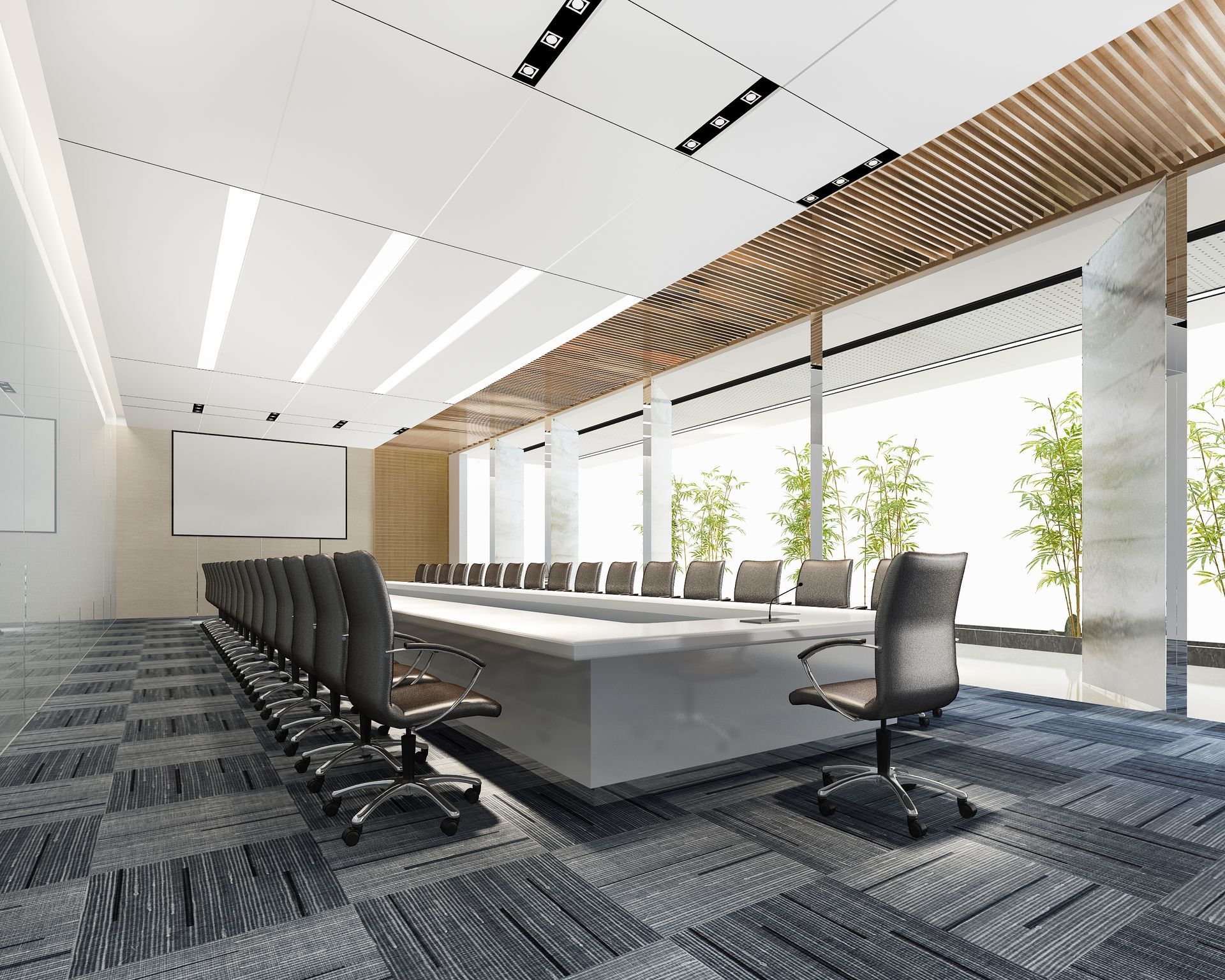
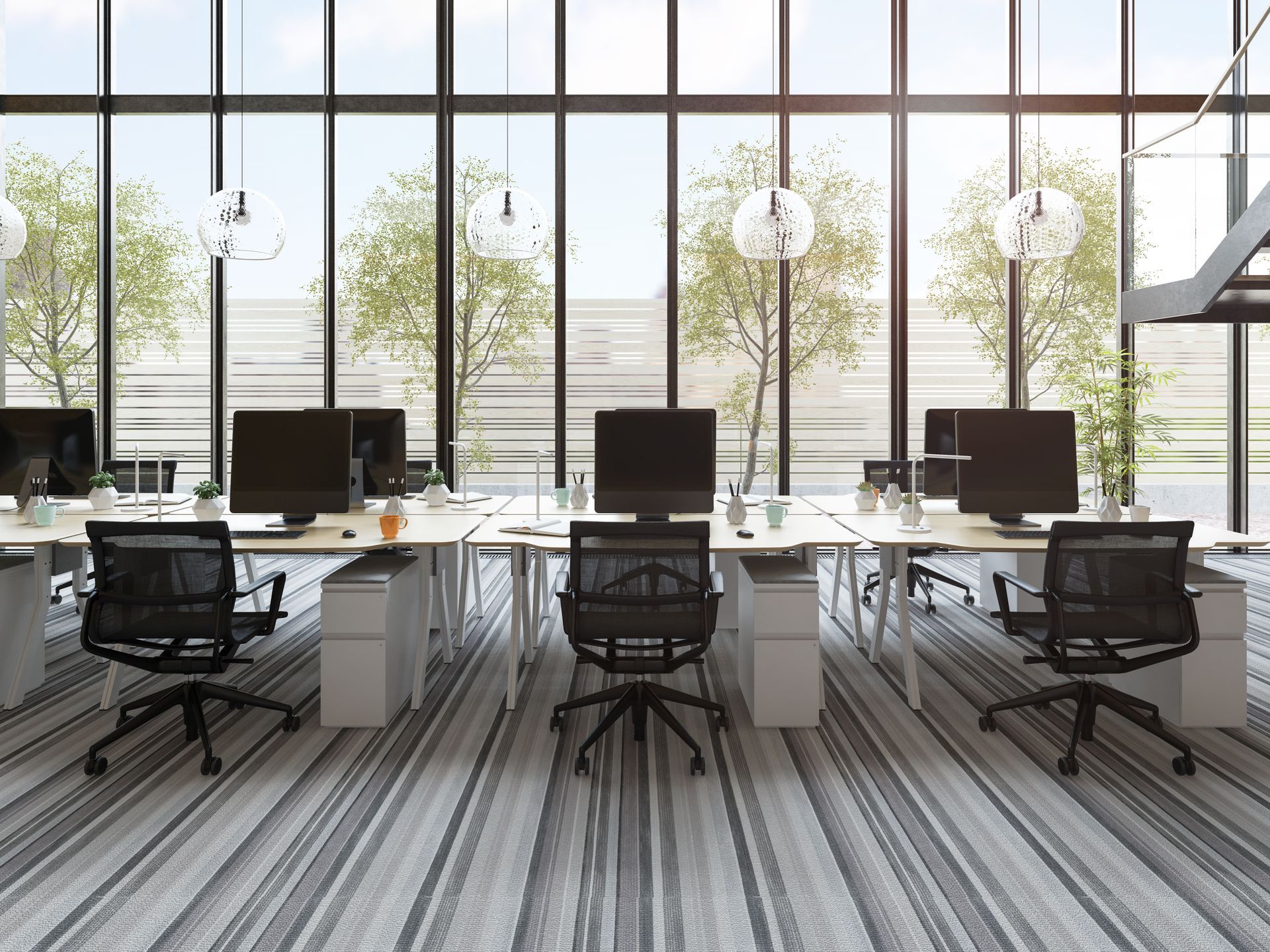
A commercial interior fit-out is the construction and finishing work done inside a commercial space to make it ready for business use. This usually includes interior walls, flooring, ceilings, lighting, electrical, plumbing, HVAC updates, millwork, and finishes. The landlord typically delivers the shell or base building, and the fit-out brings it to life for the tenant.
A small office may just need new paint, flooring, and a few interior walls. A medical or lab space may need specialized plumbing, ventilation, and custom cabinetry. Either way, the goal is the same: deliver a space that supports how the business runs day to day.
Fit-Outs vs. Renovations vs. New Construction
These three terms get used as if they mean the same thing, but they are different projects with different scopes.
| Project Type | What It Is | When You Need It |
|---|---|---|
| Fit-Out | Builds out the interior of a space that is structurally complete but unfinished | Moving into a shell space or a newly built commercial building |
| Renovation | Updates or changes a space that has already been built out and used | Refreshing an existing space or modernizing a tired layout |
| New Construction | Starts from the ground up, including the foundation and exterior shell | Building from scratch on a new site |
Knowing which one you actually need helps you pick the right contractor, set a realistic budget, and avoid scope confusion when you start getting bids.
Common Types of Commercial Fit-Out Projects
Connecticut businesses request fit-outs for a wide range of spaces. The most common include:
- Office and corporate workspaces
- Medical and dental practices
- Retail stores and showrooms
- Restaurants and hospitality spaces
- Educational and training facilities
- Municipal and government buildings
- Industrial and warehouse offices
Each space type has its own code requirements, finish standards, and equipment needs.
Start With Your Goals and Space Requirements
Before you talk to a designer or a contractor, get clear on what you want the space to do. This is the step most businesses rush through, and it is the step that quietly causes the most problems later.
Defining How the Space Will Function
A good fit-out is built around how people actually use a space, not just how it looks on a floor plan. Walk through your current workspace and notice what works and what does not:
- Is there enough quiet space for focused work?
- Are meeting rooms always booked?
- Do clients struggle to find the front desk?
- Do team members bump into each other in the break room at noon?
Bring these notes into the planning phase. They are more useful than any design trend.
Planning for Employees, Customers, and Future Growth
A fit-out is a long-term investment, so build it for where your business is going, not just where it is today. Think about hiring plans, new service lines, and changes in how your team works. Hybrid schedules have changed how much desk space many companies actually need.
If you expect growth, plan for flexible spaces that can shift roles over time. Moveable walls, shared workstations, and modular meeting rooms can save you from another full fit-out in three years.
Create a Budget Before You Design
A common mistake is hiring a designer first and worrying about the budget later. That order almost always leads to redesigns, delays, and frustration. Set a real budget first, then design to fit it.
Your budget should cover construction, design fees, permits, furniture, technology, and a contingency for surprises. A healthy contingency is usually 10 to 15 percent of the project cost, especially in older Connecticut buildings where hidden conditions are common.
Major Costs to Expect
Most commercial fit-outs include the following cost categories:
- Demolition and site prep
- Framing, drywall, and ceilings
- Flooring and finishes
- Electrical and lighting
- Plumbing and HVAC updates
- Millwork and built-ins
- Doors, hardware, and glass
- Paint and final finishes
- Permits and inspections
- Design and project management fees
Furniture, audio-visual equipment, signage, and IT cabling are usually separate from the construction budget but should be planned at the same time.
Factors That Impact Commercial Fit-Out Pricing
The biggest factors are the size and condition of the space, the quality of finishes, the complexity of mechanical and electrical work, the building's age, and the local permitting process
.
A space with exposed ceilings and standard finishes will cost less than a high-end executive office with custom millwork. A second-floor space in an older Connecticut mill building may need more structural and code work than a newer suburban office park. A clear early conversation with your contractor can give you a working number long before drawings are finished, and our guide to commercial build-out costs walks through how these numbers come together.
Choose the Right Commercial Fit-Out Contractor
Your contractor will shape almost every part of your project, from cost to timeline to final quality. Look for an experienced commercial general contractor in Connecticut with direct experience in commercial fit-outs, not just residential or new construction. Ask to see completed projects similar to yours, and ask for references from clients who finished their projects at least a year ago. That tells you how the contractor stands behind the work over time.
Design-Build vs. Traditional Project Delivery
There are two main ways to deliver a fit-out project.
In a traditional model, you hire an architect and designer first, then put the completed drawings out to bid with contractors. In a design-build model, you hire one team that handles both design and construction from the start.
Design-build usually moves faster, holds the budget tighter, and avoids the finger-pointing that can happen when the designer and contractor are separate. The traditional model can be a good fit when a business wants to control design independently or work with a specific architect.
Questions to Ask Before Hiring a Contractor
Before signing anything, ask:
- How many commercial fit-outs have you completed in Connecticut?
- Can I see three projects similar to mine?
- Who will be my main point of contact day to day?
- How do you handle change orders and budget updates?
- What is your typical timeline for a project this size?
- How do you manage subcontractors and scheduling?
- What does your warranty cover, and for how long?
Clear, direct answers are a good sign. Vague answers are a warning.
Designing the Space
Once your goals and budget are set, design starts to take shape. Good design is about how a space works for your team, your clients, and your daily operations, not just how it looks.
Space Planning and Workflow
Space planning maps out where teams sit, how people move between spaces, where meetings happen, and how support areas like break rooms and storage fit in.
Pay attention to traffic flow. A reception area should be easy to find. Meeting rooms should sit close to entry points so visitors are not walking through private work areas. Quiet zones should be separated from busy ones.
Materials, Finishes, and Brand Considerations
Choose finishes that match how the space will be used. A busy medical office needs flooring that is easy to clean and stands up to rolling equipment. A law firm may want finishes that feel calm and professional. A creative agency may go for exposed ceilings and bolder colors.
Bring your brand into the design through color, signage, and key feature walls.
Permits, Codes, and Connecticut Requirements
Every commercial fit-out in Connecticut needs the right permits and must meet state and local building codes. Skipping or rushing this step is one of the fastest ways to delay a project.
Building Permits and Inspections
Most commercial fit-outs require a building permit, and many also need separate electrical, plumbing, mechanical, and fire protection permits. Permit timelines vary by town. Some Connecticut municipalities approve in a week or two, while others take a month or more.
Inspections happen at key points during construction, including framing, electrical, plumbing, and final completion. Your contractor schedules these and is responsible for making sure the work passes.
ADA and Occupancy Compliance
Commercial spaces must follow the Americans with Disabilities Act, which sets rules for accessible entries, restrooms, doorways, counters, and parking. They also need to meet Connecticut's building and fire codes for occupancy, exits, and life safety.
Older Connecticut buildings often need upgrades to meet current code, especially around accessibility, sprinklers, and emergency egress. Your contractor and designer should flag these early so they do not turn into late-stage budget surprises.
Understanding the Commercial Fit-Out Process
A typical commercial fit-out moves through three main phases: pre-construction, construction, and closeout.
Pre-Construction Planning
Pre-construction includes design, budgeting, permitting, scheduling, and selecting subcontractors. It also includes site visits to confirm existing conditions and identify any issues that need to be addressed before work starts. Rushed pre-construction is one of the most common reasons projects go over budget or off schedule.
Construction and Installation
Demolition comes first if needed, then framing, mechanical and electrical rough-ins, drywall, finishes, and millwork. Your contractor coordinates trades, manages the schedule, and keeps you updated on progress. Expect weekly check-in meetings throughout this phase.
Final Walkthrough and Project Closeout
Once construction is done, the team walks the space with you to create a punch list of any small items that still need attention. After those items are completed, the contractor schedules final inspections and hands over closeout documents, warranties, and operation manuals.
Furniture, technology, and signage installation should be timed to arrive close to punch list completion so move-in stays on schedule.
Common Mistakes That Delay Commercial Fit-Out Projects
Most delays in commercial fit-outs come from a handful of avoidable issues.
Unrealistic Budgets and Timelines
Some businesses set a budget based on hope rather than market rates, or expect a project to be done in half the time it actually takes. Get real numbers from a contractor before you commit to a lease or a launch date.
Waiting Too Long to Involve a Contractor
Bringing a contractor in only after design is finished often leads to redesigns. The contractor may find that certain materials are over budget or that the design conflicts with existing building conditions. The earlier a contractor joins the project, the more they can help shape decisions that protect your budget and timeline.
Overlooking Building Requirements
Landlords often have requirements about contractor approval, working hours, insurance, and how the work is done. Older Connecticut buildings may have hidden conditions that affect mechanical or structural work. Review your lease and building rules carefully, and share them with your contractor early.
How an Experienced Connecticut Contractor Can Simplify the Process
A commercial fit-out has a lot of moving parts. A contractor who knows the Connecticut market well can take much of that weight off your plate.
Coordinating Design, Construction, and Trades
A skilled contractor manages the full team, including the designer, subcontractors, suppliers, and inspectors. They make sure each trade shows up at the right time and that the work flows in the right order.
Keeping Projects on Schedule and Budget
Experienced contractors build realistic schedules, hold subcontractors accountable, and track costs week by week. When something does shift, they communicate quickly and offer clear options to keep the project moving.
Plan Your Commercial Fit-Out With Hartford Building Company
Hartford Building Company provides design-build commercial fit-out services for businesses across Connecticut. We handle planning, permitting, construction, and closeout, so you can stay focused on running your business while we deliver a space that supports it.
If you are weighing a new lease, planning an expansion, or rethinking your current layout,
reach out to schedule a no-pressure conversation about your project. We are happy to answer your questions and walk through what the process would look like for your space.
Frequently Asked Questions
How long does a commercial interior fit-out take?
Most commercial fit-outs take 3 to 6 months from design kickoff to move-in, but timelines depend on the size and complexity of the project. Small office fit-outs may finish in 8 to 12 weeks. Larger or more involved projects, like medical offices or high-end corporate spaces, often run 6 months or longer. Permitting and material lead times can add weeks if they are not planned for early. The best way to protect your timeline is to start pre-construction planning before you sign your lease, not after.
Who pays for a commercial fit-out, the landlord or the tenant?
It depends on your lease. In most commercial leases the tenant pays for fit-out costs, but many landlords offer a tenant improvement allowance to help cover part of the work. This allowance is usually negotiated upfront and is often expressed as a dollar amount per square foot. Read your lease carefully and be clear on what counts as base building work versus tenant work, since that line decides who pays for what.
What is the difference between a commercial fit-out and a commercial build-out?
The two terms are often used to mean the same thing. Both describe the work of finishing a commercial space so a tenant can move in and operate. "Fit-out" is more common in some industries and markets, while "build-out" is more common in others. What matters more than the term is the scope of work, so confirm exactly what is and is not included before signing a contract.
Can my business stay open during a commercial fit-out?
Sometimes, but it requires careful planning. Phased construction can keep parts of a space open while work is done in other areas. This is common in medical practices, retail stores, and restaurants that cannot afford to close. Expect noise, dust, and limited access during work hours, and plan for after-hours or weekend scheduling if your business needs to stay fully operational. Talk to your contractor early about how to phase the work and protect the active areas.
When should I start planning my commercial fit-out?
As early as possible, ideally before you sign a lease. Bringing a contractor into the conversation during lease negotiation helps you understand the real cost and timeline of fitting out the space, spot potential code or building issues, and negotiate a better tenant improvement allowance. Waiting until after the lease is signed limits your options and often adds cost. Most businesses benefit from starting fit-out planning at least 4 to 6 months before they want to move in.
Recent Blog post