Design-Build vs. Traditional Construction: Which Is Right for Your Project?
At Hartford Building Company, our team brings 40+ years of construction experience across projects like schools and municipal buildings, office remodeling, and detailed interior fitouts. We're woman-owned, licensed and insured, and we regularly manage both design and construction coordination. That hands-on mix gives us a practical view of what works in the real world, especially when people are comparing design-build contractors Connecticut options to a traditional approach.
Here's the quick answer upfront: Design-build is usually the better fit when you want speed, fewer handoffs, and one team owning the full outcome. Traditional construction (design-bid-build) is often the better fit when you want a completed design before pricing and you prefer separate contracts for design and building. Below, we'll break down how each method works and how to choose the best one for your project.
Understanding the Two Methods
What Is Design-Build Construction?
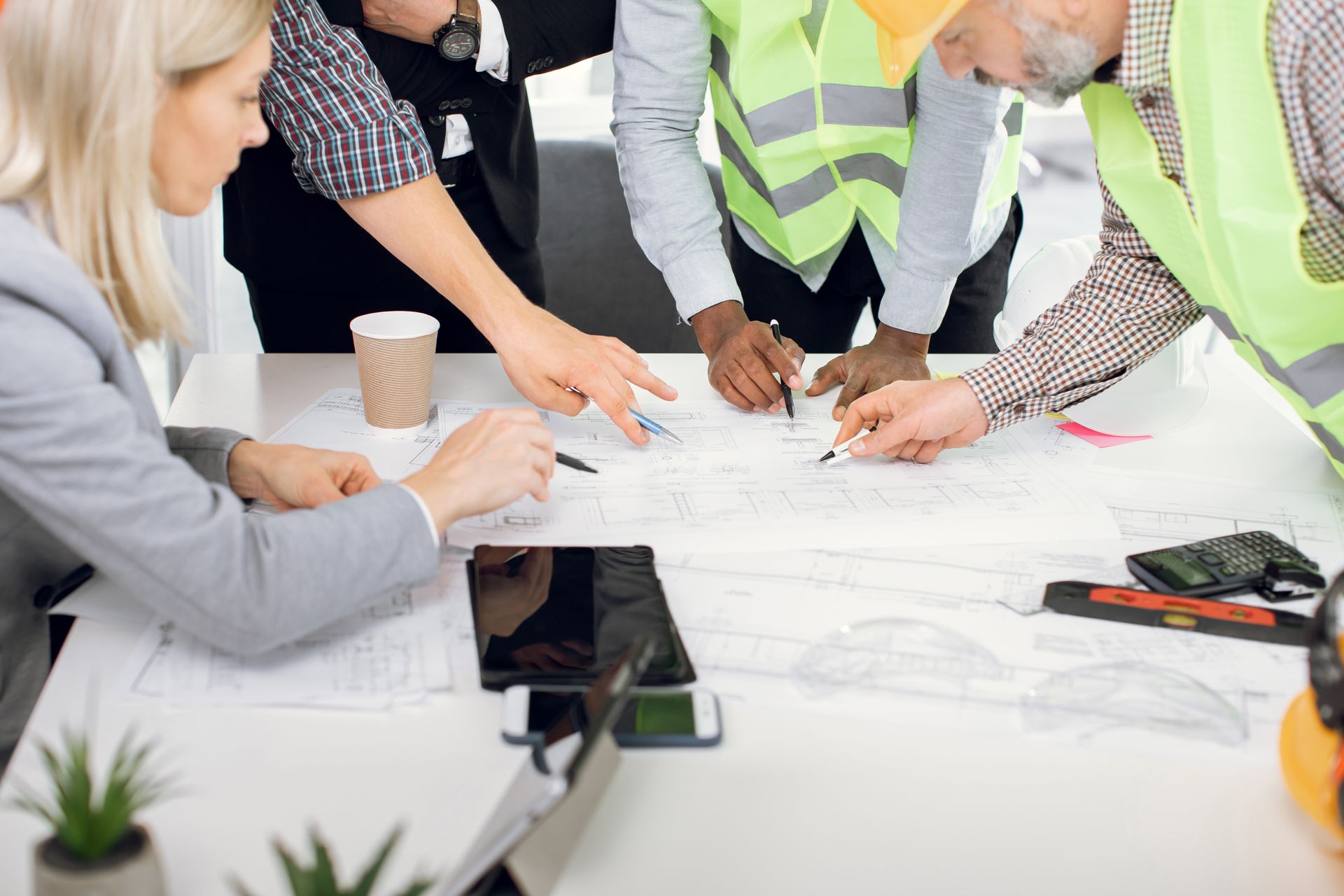
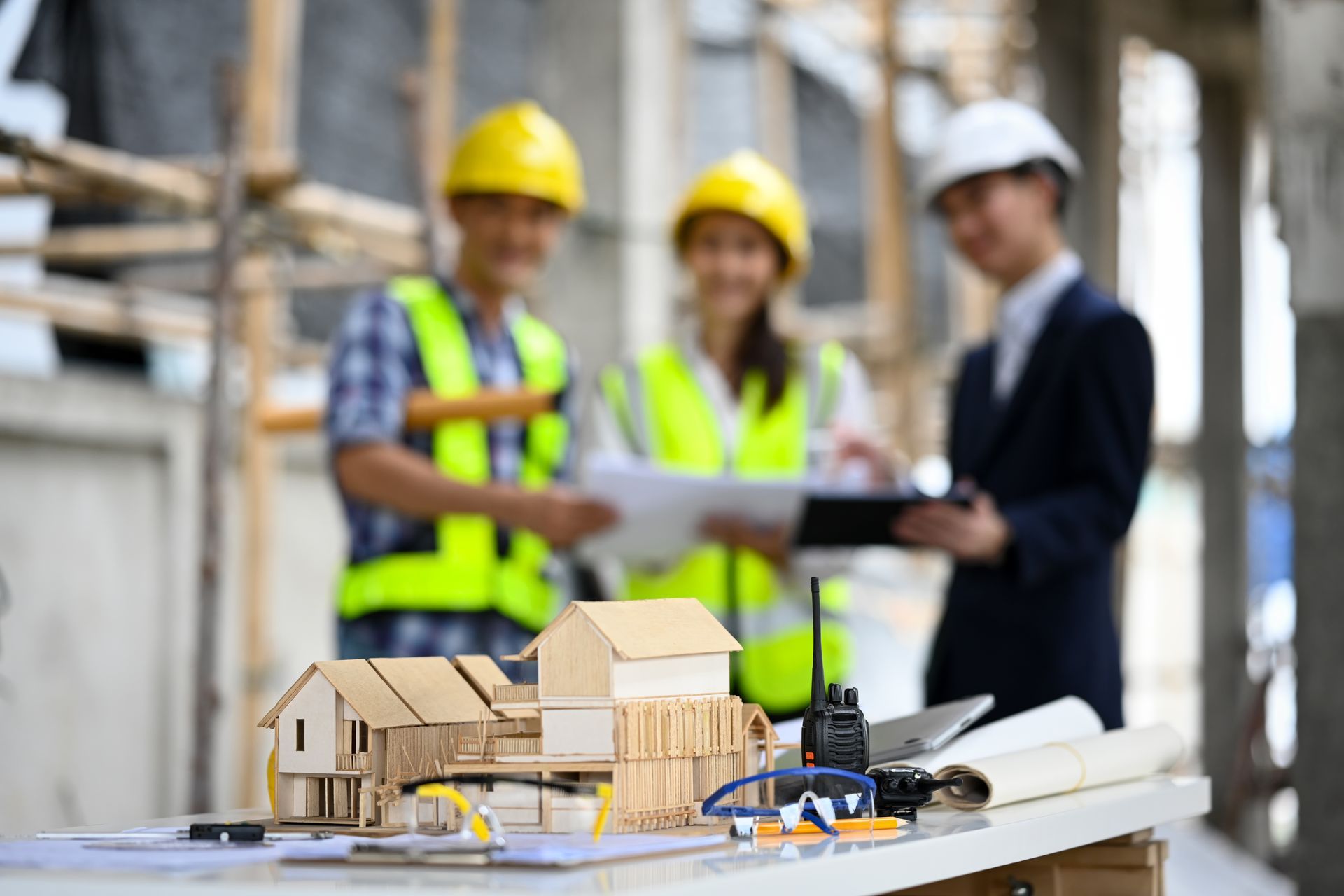
Design-build is a project delivery method where you hire one team to handle both architectural design services and general contracting services. The big idea is design and construction integration. Instead of passing plans from designer to builder (and back again), the same group works together from day one.
What this looks like in real life:
- An integrated construction team (designer + builder) works under one contract
- Pre-construction planning starts early (scope, budget, schedule, materials, site conditions)
- Design and construction can overlap, which often supports a faster project delivery
- You get single-source responsibility for coordination, schedule, and many decisions
- Communication is usually simpler because owner–contractor communication runs through one team
This is where many of the design-build construction advantages show up: fewer disconnects, clearer accountability, and a more streamlined construction process.
What Is Traditional Construction (Design-Bid-Build)?
Traditional construction is commonly called design-bid-build. You hire a designer first, then the project is bid out to contractors, and then construction begins. It's a very common traditional construction method, especially for projects where the owner wants the design fully complete before selecting a builder.
What this looks like:
- You sign a contract with a designer for plans and specifications
- Once the design is complete, contractors bid the work
- You choose a contractor, then construction starts
- You manage separate relationships (designer and builder)
- If something conflicts in the plans or changes in the field, it can create delays or added cost
This approach can work well, but it often involves more handoffs and more "middle steps" during decisions, especially when timelines get tight.
Key Differences Between Design-Build and Traditional Construction
Project Timeline
If your top priority is the construction project timeline, design-build often has an edge.
With design-build, parts of the work can overlap:
- Early site work may begin while later design details are still being finalized
- Long-lead items can be identified sooner (HVAC units, specialty finishes,
millwork)
- Scheduling decisions happen with the builder at the table from the start
With traditional construction, the flow is more linear:
- Design must be mostly finished before bidding
- Bidding takes time
- Construction starts only after a contractor is selected
If your project needs a simplified construction process and a quicker start, design-build usually provides more flexibility.
Cost Predictability and Budget Control
Both methods can control cost, but they do it differently.
Design-build often improves project cost control because the builder is involved early and can price options as the design develops. That can reduce surprises and support cost-effective construction through:
- Early budgeting and real-time pricing
- Smarter material selections
- Value engineering decisions before drawings are fully locked
Traditional construction can deliver strong pricing too, especially when the design is complete and the scope is clear. But budgets can get stressed when:
- Plans are finalized without builder input
- Site conditions force changes
- Bid results come in higher than expected
- Change orders stack up due to field conflicts
If staying close to a target budget matters, early collaboration is usually your friend.
Collaboration and Communication
This is one of the biggest differences, and it affects everything.
Design-build is built around a collaborative construction approach. Because the same team shares responsibility, coordination tends to be smoother:
- Fewer gaps between design intent and build reality
- Faster answers when issues show up
- Less back-and-forth between separate companies
Traditional construction can still be collaborative, but the structure creates more points where communication can break down:
- The designer answers to the owner
- The contractor answers to the owner
- The contractor and designer may disagree, and the owner must help resolve it
For many owners, design-build feels easier because the day-to-day coordination is handled inside one team.
Accountability and Risk Management
In design-build, accountability is clearer: one contract, one team, one point of responsibility. That's the core of single-source responsibility.
In traditional construction, responsibility is split:
- The designer is responsible for design documents
- The contractor is responsible for building the project
- If an issue comes from both design and field conditions, it can be harder to sort out quickly
This doesn't mean traditional is "bad." It just means the owner may need to be more involved in decisions, documentation, and dispute prevention.
Pros and Cons of Each Approach
Benefits of Design-Build
Design-build works well when you want speed, clarity, and fewer moving parts.
Common benefits:
- Often supports faster project delivery
- Early cost input can improve construction efficiency
- Better coordination between design and construction
- Fewer handoffs, which can reduce misunderstandings
- Stronger alignment between schedule, budget, and build methods
- A more streamlined construction experience for many owners
If you're comparing a design-build vs design-bid-build comparison, these advantages often come down to early teamwork and quicker decisions.
Drawbacks of Design-Build
Design-build isn't perfect for every project. Potential drawbacks include:
- If you want the design completely finished before any pricing discussions, it may feel too "fluid" early on
- Some owners prefer a separate designer for an extra layer of independence
- You may need to set clear expectations upfront about finishes, allowances, and decision timelines
Most of these concerns can be managed with a well-defined scope, clear selections, and solid preconstruction.
Benefits of Traditional Construction
Traditional construction can be a good fit when you want a fully designed project before choosing your builder.
Common benefits:
- Design is typically completed first, which can feel more controlled
- Competitive bidding can be useful for certain procurement goals
- Owners who like hands-on involvement may prefer this structure
- The designer can act as a separate advisor during construction
For some projects, especially those with strict requirements, traditional contracting can be a strong match.
Drawbacks of Traditional Construction
Traditional construction can add complexity in timing and communication.
Common drawbacks:
- Longer timelines due to the sequential workflow
- Budget risk if bids come back higher than expected
- More change orders if field conditions conflict with drawings
- More effort needed for owner coordination across separate parties
- Slower decision-making when designer and contractor disagree
If your project has a tight schedule, these friction points can matter.
Which Approach Is Right for Your Project?
Project Size and Complexity
If your project is complex, like a detailed commercial interior fit-out, specialty finishes, or custom millwork, design-build can help because coordination happens early and often. Complex projects benefit from:
- Strong pre-construction planning
- Early constructability review
- Better sequencing and procurement planning
Traditional can also handle complex work, but the process may require more owner time to keep the team aligned.
Budget Constraints
If you have a firm budget ceiling, design-build can help you stay realistic as the design takes shape. That's where project cost control and value engineering are most useful, making smart trade-offs before you've invested too far into plans that don't match the budget.
Traditional can work well when your scope is clear and the market is stable, but it can be harder when bids are volatile or material pricing shifts.
Desired Level of Involvement
Ask yourself how involved you want to be in day-to-day coordination.
Design-build is often easier for owners who want:
- Fewer meetings
- Clearer responsibility
- One point of contact for decisions
Traditional may feel better if you want:
- A separate designer representing design intent
- More direct control over design before choosing a contractor
- More oversight of contractor selection through bidding
Neither is "right" in all cases. It depends on your style and capacity.
Risk Tolerance and Timeline Needs
If your timeline is tight or delays would be costly, design-build often reduces risk by shortening handoffs and speeding decisions. Connecticut projects can also face scheduling pressure from:
- Permitting timelines
- Seasonal weather impacts
- Subcontractor availability
Traditional construction can still succeed on schedule, but it usually requires more time upfront and more coordination once construction starts.
Final Thoughts on Choosing the Right Construction Method
Design-build and traditional construction are both proven construction project delivery methods. The best choice depends on what matters most for your project:
- Choose design-build when you want speed, smoother coordination, and a simpler chain of responsibility.
- Choose traditional (design-bid-build) when you want the design completed first and prefer separate contracts.
If you're weighing options with design-build contractors Connecticut, the most helpful next step is to talk through your goals, timeline, budget, design flexibility, and how involved you want to be. A short planning conversation can quickly reveal which method fits your project best.
Contact us to discuss your project needs.
Frequently Asked Questions
How much faster is design-build compared to traditional construction?
Design-build projects typically complete 30-40% faster than traditional construction because design and construction phases overlap rather than happening sequentially. While traditional projects must finish design completely before bidding and construction start, design-build allows early site work and long-lead procurement to begin while final details are still being refined. The exact time savings depend on project complexity and scope.
Will I save money with design-build, or does it cost more?
Design-build doesn't automatically cost more or less than traditional construction, but it often provides better cost predictability. Because the builder prices options as the design develops, you avoid the common scenario where traditional bids come back over budget after months of design work. Early value engineering in design-build helps you make smart trade-offs before committing to expensive details that might exceed your budget.
Do I lose control over design quality if I choose design-build?
No. You still approve all major design decisions, finishes, and materials. The difference is that you're making those decisions with both the designer and builder at the table together, which often leads to better-informed choices. Many owners find this gives them more practical control because they understand real-time cost implications and constructability before finalizing selections.
Which method works better for commercial projects like office buildouts or restaurant remodels?
Design-build often works particularly well for commercial projects with tight timelines or specific opening dates, such as restaurant remodels or office spaces. The integrated approach helps coordinate complex systems (MEP, ADA compliance, health department requirements) more efficiently. Traditional construction can still work well if you have flexible timing and want competitive bidding, but commercial projects with firm deadlines typically benefit from design-build's streamlined coordination.
Can I switch from traditional to design-build partway through a project?
While technically possible, switching mid-project is complicated and usually not recommended. The biggest value of design-build comes from early collaboration during preconstruction and design development. If you already have complete construction documents from a traditional process, you've lost much of the coordination benefit. That said, if you're only in early design phases, transitioning to a design-build team can still make sense and may help accelerate your timeline.
Recent Blog post