
What Is Architectural Millwork? Types, Uses, and Installation Considerations
Architectural millwork is custom-fabricated woodwork built to the specifications of a particular project rather than pulled off a shelf. It covers the built-in and finish woodwork that gives a commercial space its identity: reception desks, wall paneling, custom cabinetry, trim and moldings, and specialty pieces like nurse stations or retail displays. The word "architectural" is the key part, because it signals that the piece is designed and made to fit one space exactly, at a level of quality and detail that stock products cannot match.
At Hartford Building Company, we have delivered architectural millwork on commercial fitouts, healthcare, hospitality, and institutional projects across Connecticut for four decades. As a woman-owned, licensed, insured, and bonded contractor (CT #MCO.0904431) based in Glastonbury, our craftsmen create and install custom pieces to the highest standards, so this guide reflects hands-on experience rather than a catalog description.
In This Guide
- What Architectural Millwork Is: A clear definition.
- Millwork vs. Casework vs. Cabinetry: Terms people mix up.
- Common Types of Architectural Millwork: What it includes.
- Materials and Quality Grades: Materials and the AWI standards.
- Uses by Commercial Sector: Where it shows up.
- What Drives the Cost: The factors behind the price.
- Installation Considerations: What makes an install succeed.
- Frequently Asked Questions: Answers for project teams.
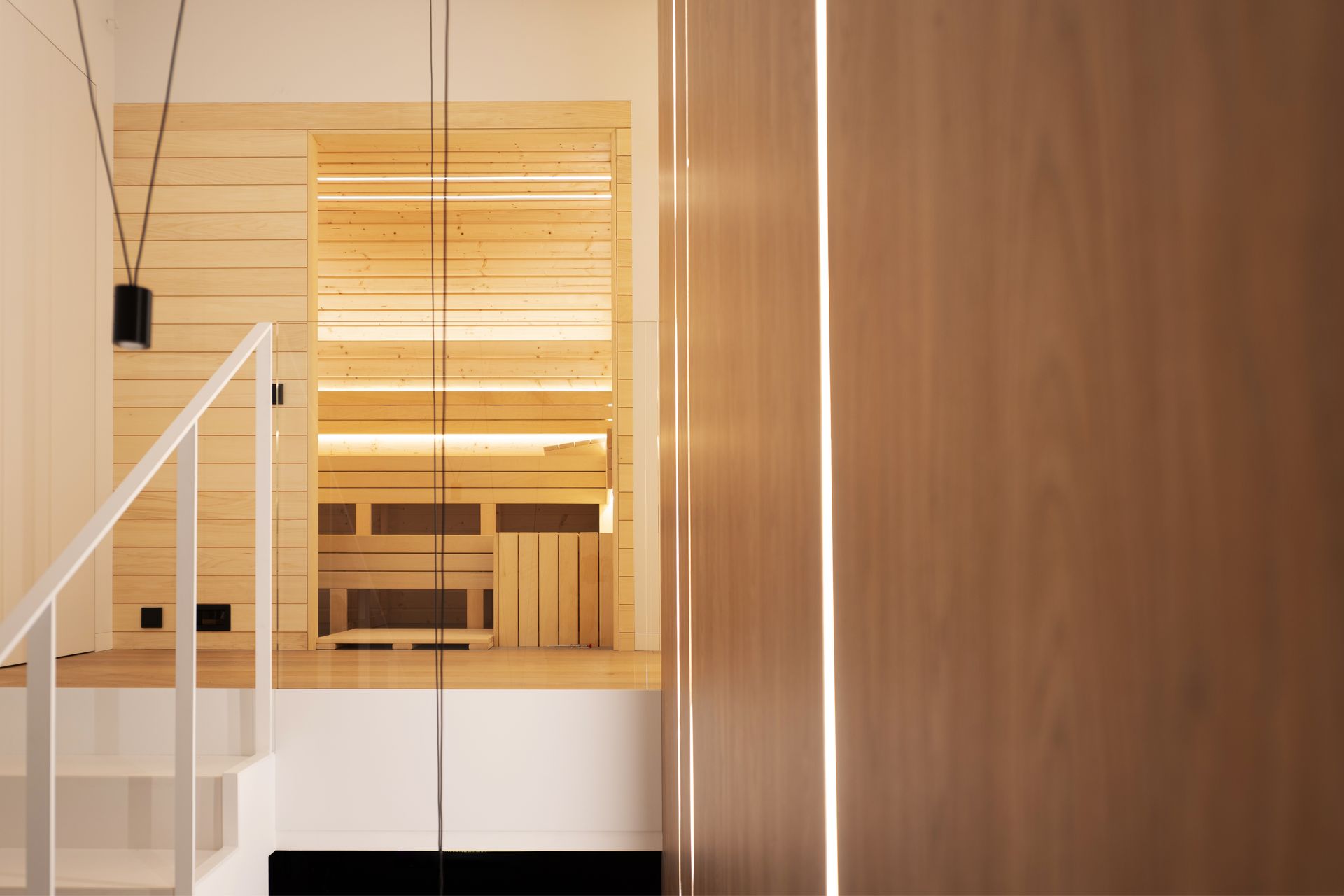
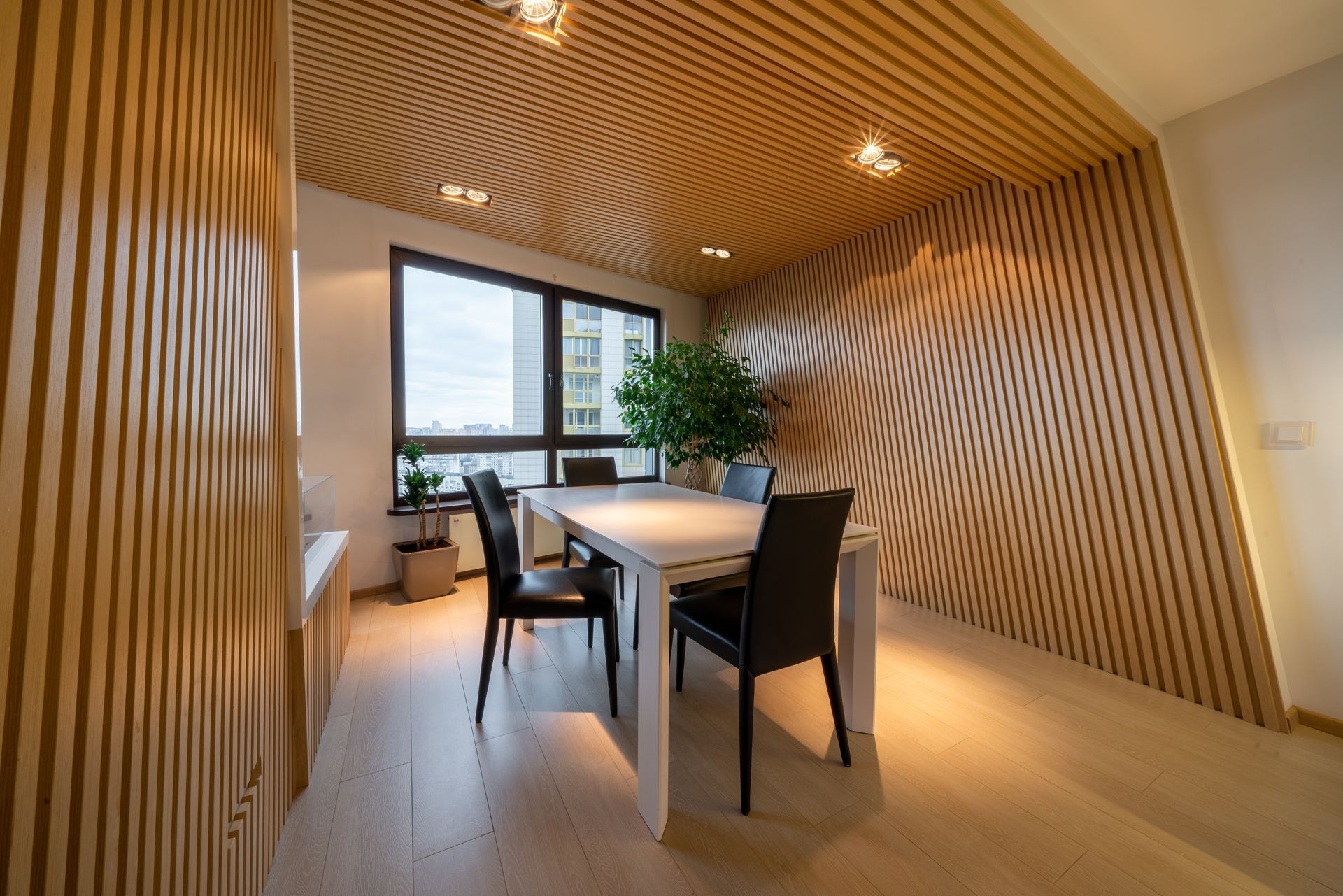
What Architectural Millwork Is
At its core, architectural millwork is finish woodwork made to order. Where stock cabinetry or trim comes in fixed sizes and standard profiles, architectural millwork is designed for a specific space, drawn in detail, fabricated in a shop, and installed to fit precisely. That custom nature is what lets it turn an ordinary interior into a polished, cohesive environment.
It sits at the opposite end of the spectrum from commodity millwork, the stock trim and cabinets turned out in bulk to standard sizes. Both have a place on a project, but only custom architectural millwork is drawn and built around one room, which is exactly what a specification means when it calls for the work by name rather than by catalog number.
The term has broadened over time. Modern architectural millwork is not limited to wood; it often incorporates laminate, solid surface, metal accents, and engineered panels alongside traditional hardwood and veneer. And while most of it lives indoors, the same custom approach extends to exterior elements like column wraps, entry surrounds, and soffits when a project calls for them. What unites all of it is intent: every piece is specified, detailed, and built for one project rather than mass-produced.
Why It Matters on a Commercial Project
Architectural millwork does more than fill a space. It shapes how a room feels and functions, and on a commercial project it often carries the brand, guides how people move through a space, and signals quality the moment someone walks in. A custom reception desk or feature wall is frequently the first thing a client, patient, or guest sees.
It also tends to last. Because custom millwork is built to the specific demands of a space and, in commercial settings, to durable standards, it holds up to heavy use far better than off-the-shelf furnishings, which is part of why it is worth the investment for spaces meant to perform for years.
On most commercial projects, architectural millwork is not a standalone purchase but one piece of a larger
commercial interior fit-out. Treating it that way matters, because the millwork has to coordinate with the flooring, lighting, partitions, and mechanical systems going in around it. Delivering it as part of the full fit-out, rather than as a bolt-on, is what keeps the finished space feeling intentional instead of assembled from disconnected parts.
Millwork vs. Casework vs. Cabinetry
These three terms get used interchangeably, but on a commercial project they mean different things, and knowing the distinction helps a project team scope and budget accurately. The difference comes down to how custom the work is.
Where the Lines Fall
Casework refers to standardized boxes, cabinets, shelving, and storage units built to modular dimensions, efficient and cost-effective when a space suits standard sizes. Cabinetry is a subset of that, generally meaning the cabinets themselves. Architectural millwork is the fully custom tier, encompassing not just cabinets but paneling, trim, feature walls, and one-of-a-kind pieces designed for a specific space.
Put simply, casework is chosen from standard options and architectural millwork is created from a design. Many projects use both, standard casework where it makes sense and custom millwork where the space demands something bespoke.
| Term | What It Means | Level of Customization |
|---|---|---|
| Casework | Standardized cabinets and storage units | Modular, standard sizes |
| Cabinetry | The cabinets themselves, stock or custom | Varies |
| Architectural millwork | Fully custom finish woodwork | Designed and built to spec |
Common Types of Architectural Millwork
Architectural millwork covers a wide range of built-in and finish elements, and most commercial projects combine several of them. These are the pieces we build and install most often across Connecticut.
- Reception desks and transaction counters that anchor a lobby and set the tone for a space.
- Wall paneling and cladding that add warmth, acoustics, and a finished look to walls and columns.
- Custom cabinetry and built-ins tailored to storage, display, or workflow needs.
- Trim, moldings, and crown that frame doors, windows, and ceilings with a consistent detail.
- Specialty pieces such as nurse stations, retail displays, conference credenzas, and feature stairs.
Because these elements are custom, they can be matched across an entire project for a unified look, from the reception desk to the smallest run of base trim.
Materials and Quality Grades
The material and the quality grade together determine how a millwork piece looks, performs, and costs, so both deserve attention during specification. Getting them right up front prevents disappointment and budget surprises later.
Common Materials
Architectural millwork is built from a mix of materials chosen to fit the design and the budget. Each brings its own look, durability, and price point. Most of that woodwork starts as either hardwood or softwood, and the distinction matters more than it sounds. Hardwoods like oak, maple, and walnut come from slower-growing deciduous trees, which gives them the density and grain that commercial millwork is prized for, so they dominate visible, high-use pieces. Softwoods such as pine have their place in painted or less demanding applications, but hardwood is the default anywhere the wood will be seen and touched every day.
- Solid hardwood such as maple, oak, walnut, and cherry, prized for durability and a premium natural look.
- Plywood and veneer that deliver the appearance of solid wood with more stability and less cost.
- MDF for painted surfaces and moldings, offering a smooth, consistent finish.
- Laminate and solid surface for high-traffic or high-moisture areas where durability and cleanability matter.
The AWI Quality Grades
Commercial millwork is commonly specified to the standards of the Architectural Woodwork Institute, which defines three quality grades. Naming the grade in the specification is the clearest way to align expectations between the design team, the contractor, and the fabricator.
Economy grade suits utilitarian, back-of-house applications where appearance matters least. Custom grade is the workhorse of most commercial interiors, balancing quality and cost for spaces people see and use every day. Premium grade delivers the highest level of material selection and workmanship, reserved for showpiece areas where the millwork is meant to impress.
Uses by Commercial Sector
Architectural millwork shows up across nearly every commercial sector, and the demands shift with each one. Understanding those differences helps a project team specify the right materials and details for the environment.
In offices, millwork defines reception areas, conference rooms, and branded feature walls that shape a company's first impression. Healthcare settings rely on nurse stations, casework, and paneling that stand up to heavy cleaning and infection-control requirements, often favoring durable, non-porous surfaces that resist moisture and disinfectants. Hospitality projects use rich, high-end millwork in lobbies, bars, and guest rooms to create atmosphere and justify a premium experience, while restaurants lean on host stands, banquettes, and bar millwork that balance style with the punishment of daily use and frequent cleaning. Retail depends on custom displays, counters, and fixtures that showcase products and reinforce a brand, and schools and municipal buildings need durable, low-maintenance casework and trim built to survive constant use on a public budget. Each sector pushes the millwork in a different direction, which is exactly why specifying to the environment, rather than to a generic standard, produces a result that lasts.
What Drives the Cost of Architectural Millwork
Because architectural millwork is custom, there is no single price, and understanding what moves the number helps a project team budget realistically and value-engineer without gutting the design. The cost of any piece comes down to a handful of factors that stack on top of one another.
- Material selection, since solid walnut or a rift-cut veneer costs far more than paint-grade MDF or laminate.
- Quality grade, with Premium AWI work commanding more in both material and labor than Custom or Economy.
- Design complexity, because curves, inlays, tight reveals, and intricate joinery all add shop hours.
- Finish, where a hand-applied, multi-step finish costs more than a standard factory coating.
- Quantity and repetition, as a long run of identical paneling is more efficient per unit than several unique pieces.
The practical takeaway is that cost is a series of choices, not a fixed rate. A skilled contractor can often preserve the look a client wants while trimming cost, for example by using a premium veneer on visible faces and a more economical material where it will never be seen. That kind of value engineering is where early collaboration between the design team and the builder pays off.
Installation Considerations
Even the finest millwork fails if it is installed poorly, so the install phase deserves as much planning as the fabrication. A few factors make the difference between a piece that looks built-in and one that looks added-on.
- Field measurement and verification ensure the piece fits the space as actually built, not just as drawn.
- Acclimation lets wood adjust to the building's temperature and humidity before installation, preventing warping and gaps later.
- A stable environment matters, so millwork should go in after the space is enclosed and the HVAC is controlling conditions.
- Proper blocking and substrate behind walls give heavy pieces like paneling and cabinetry something solid to anchor to.
- Sequencing and protection keep finished millwork from being damaged by trades that follow, which is why timing the install correctly is critical.
Coordinating these details is where an experienced general contractor earns its place, since the same piece can look flawless or flawed depending on how the installation is managed. Getting the sequencing right, so the millwork arrives after wet trades are done but before final finishes, and protecting it until handover are small disciplines that separate a clean install from a punch list full of scratches and gaps.
Bring Your Vision to Life With Hartford Building Company
Architectural millwork is only as good as the team that designs, coordinates, and installs it. For commercial fitouts, healthcare, hospitality, and institutional projects across Connecticut, our craftsmen and project managers bring four decades of experience to every custom piece.
Call Hartford Building Company at (860) 922-0179 or
contact us online for a consultation. You can also explore our
commercial millwork installation and interior fitout services, or read our companion guide on
millwork shop drawings.
Frequently Asked Questions
What is the difference between millwork and casework?
Casework refers to standardized, modular cabinets and storage units built to fixed sizes, which makes it efficient and cost-effective. Architectural millwork is fully custom finish woodwork designed and built for a specific space, covering not only cabinets but paneling, trim, and one-of-a-kind pieces. Many projects use both, standard casework where it fits and custom millwork where the design demands it.
Is architectural millwork only made of wood?
No. While wood, plywood, and veneer are common, modern architectural millwork often incorporates MDF for painted surfaces, laminate and solid surface for durability, and metal accents for design. What defines it is that every piece is custom-specified and built for a particular project, not the specific material used.
What are AWI grades in millwork?
The Architectural Woodwork Institute defines three quality grades: Economy for utilitarian back-of-house work, Custom for most everyday commercial interiors, and Premium for showpiece areas requiring the highest material selection and workmanship. Specifying the grade in a project's documents aligns expectations among the design team, contractor, and fabricator.
How long does architectural millwork take to fabricate?
It depends on the scope, materials, and complexity, but custom millwork requires time for shop drawings, approval, material sourcing, fabrication, and finishing before installation. Because it is built to order rather than pulled from stock, planning the millwork schedule early keeps it from becoming a bottleneck on the overall project timeline.
Why hire a general contractor for architectural millwork?
A general contractor coordinates the millwork with the design team, the fabricator, and every other trade, managing shop drawings, field measurements, sequencing, and installation. That coordination is what ensures custom pieces fit the space, clear other systems, and are protected through the build, which is difficult to achieve when the millwork is handled in isolation.
Recent Blog post